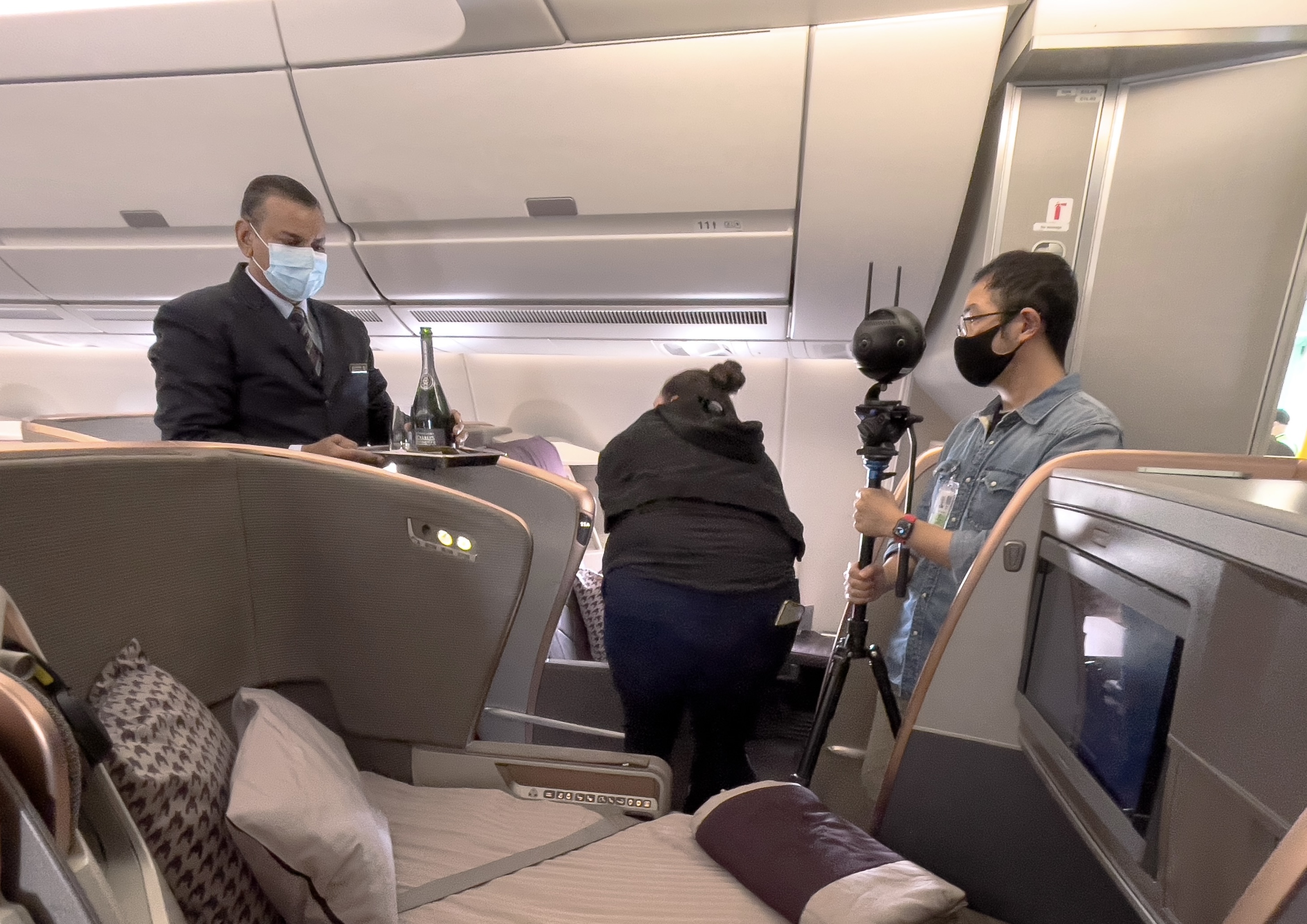
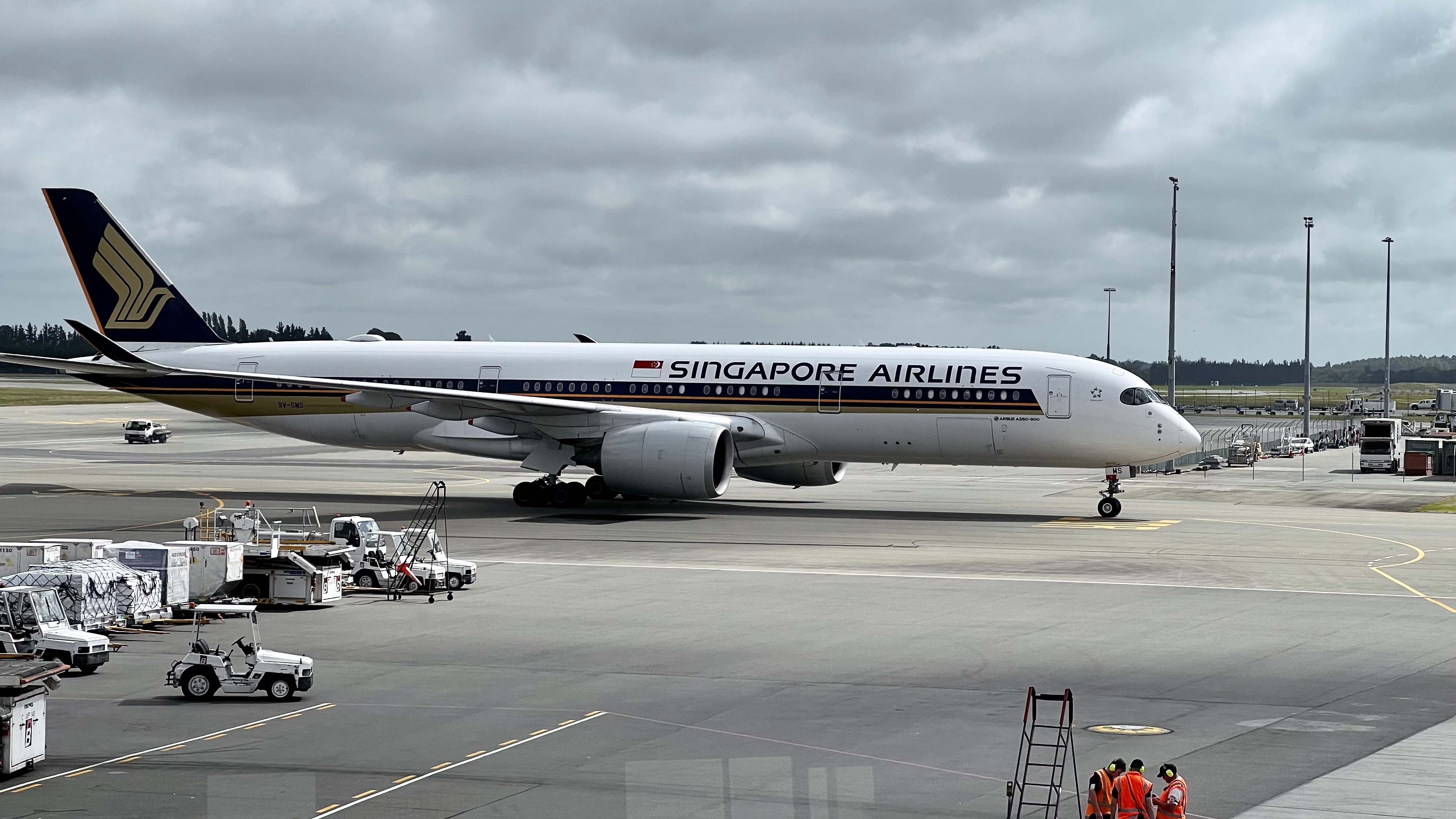
Singapore Airlines commissioned a multi-platform (browser, desktop, and VR headset (Meta Quest)) 360-degree virtual tour experience, to promote the launch of their new Christchurch to Singapore route, with the product set to debut at TRENZ 2023 — New Zealand's premier tourism trade event. I was brought in as UX design lead through JIX Ltd to own the end-to-end design and production of the experience.
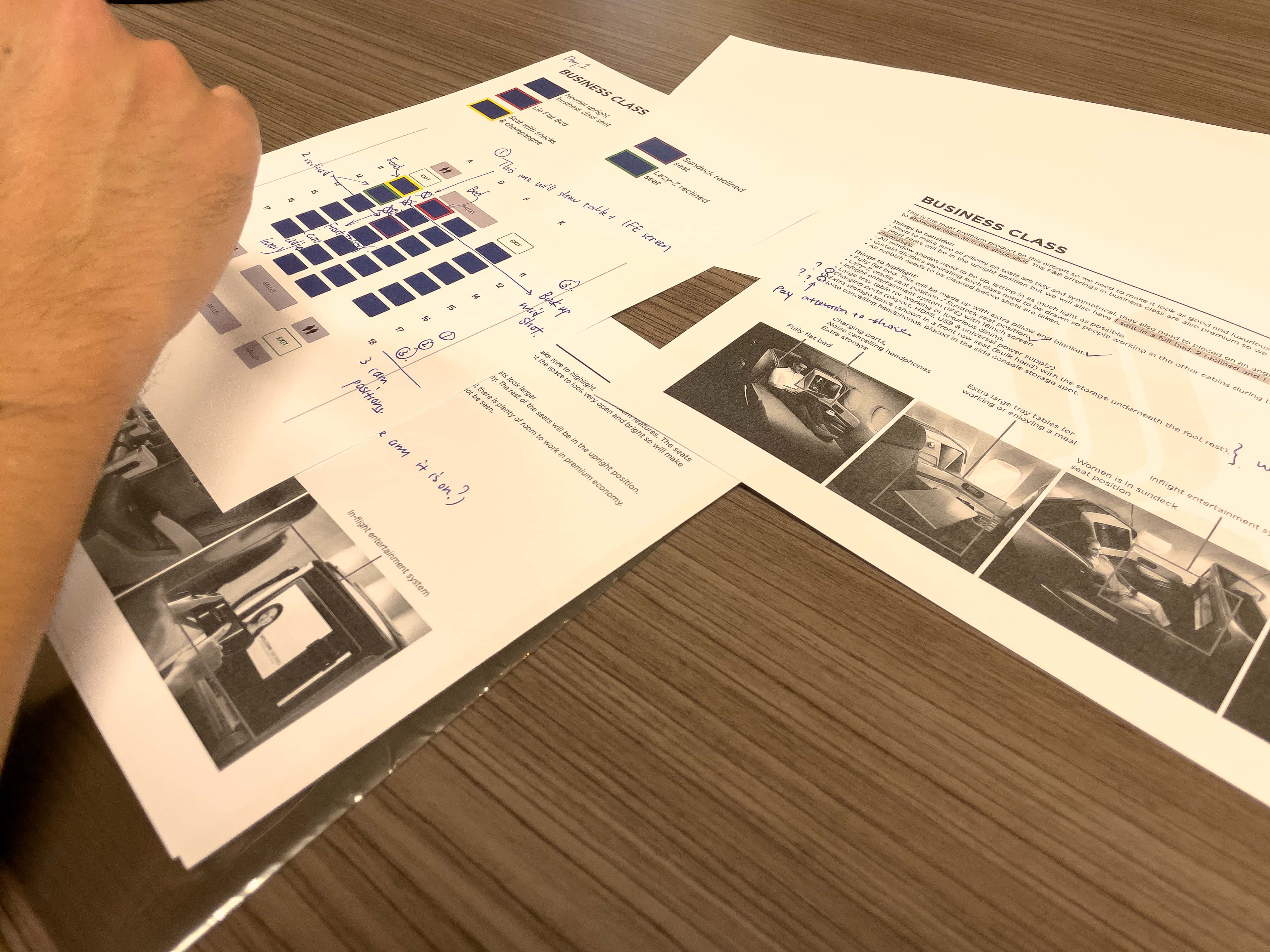
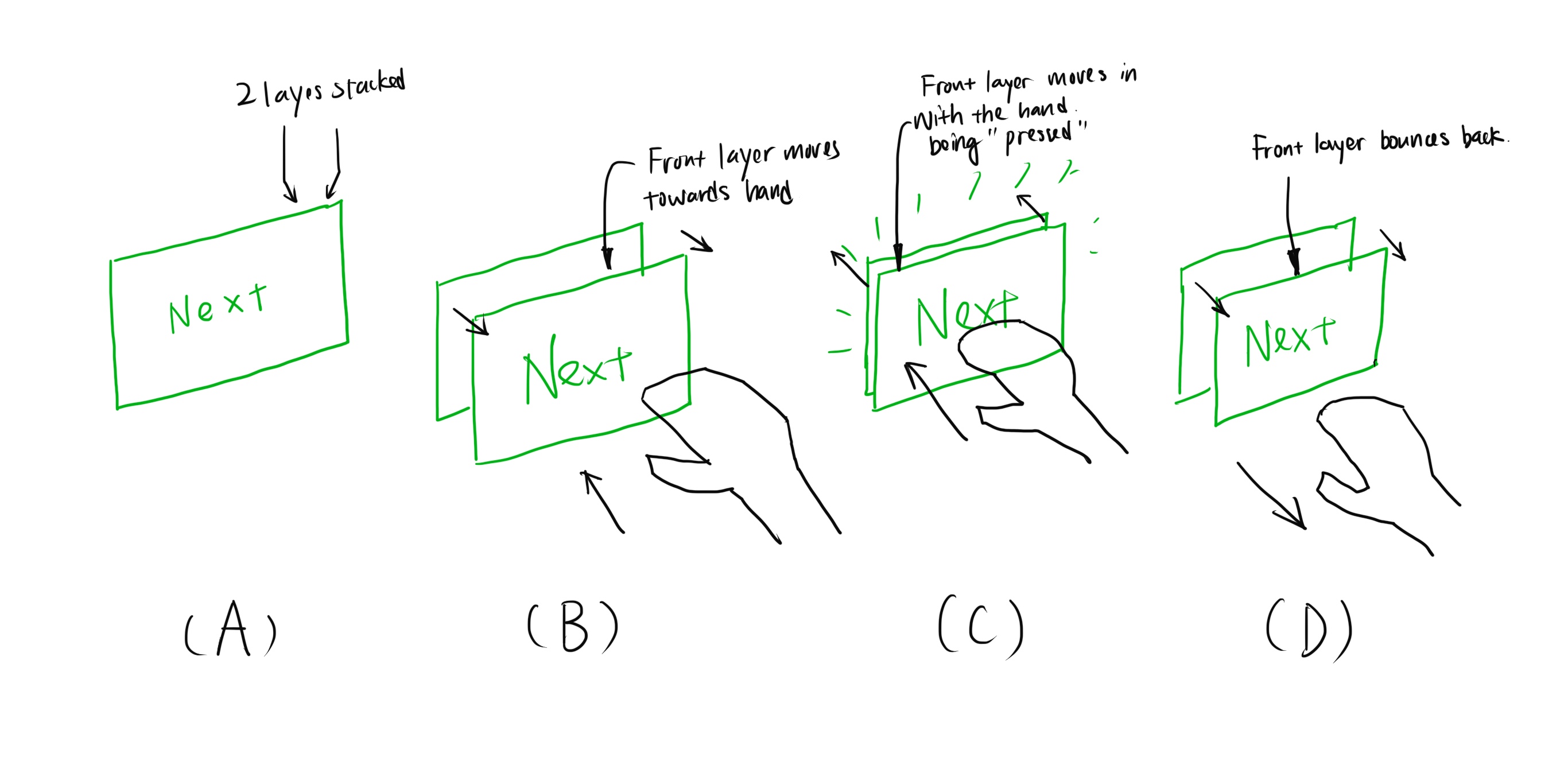
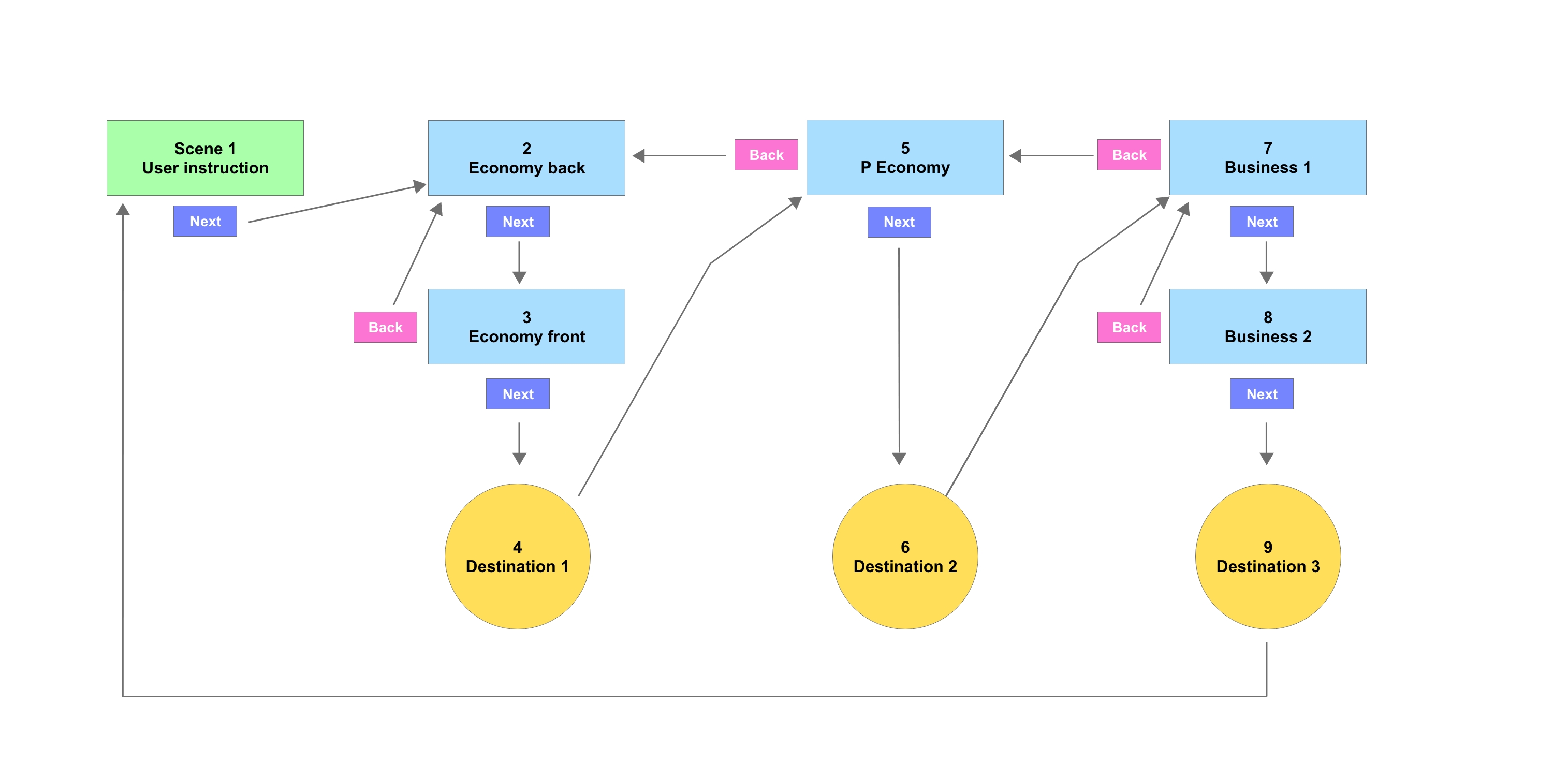
The brief was straightforward on the surface — showcase the A350-900 cabin across five global destinations — but the design challenge was more nuanced. The experience needed to feel premium and on-brand for an international airline, work intuitively for general audiences with no VR background, and perform reliably across both tablet browsers and VR headsets under live event conditions. I started with stakeholder interviews with the Singapore Airlines marketing team to define the key user journeys and content hierarchy, then moved quickly into paper sketches and low-fidelity wireframes to explore navigation models for the 360-degree environment. Prototyping in Unity allowed me to test spatial interaction assumptions early and iterate before committing to the full build.
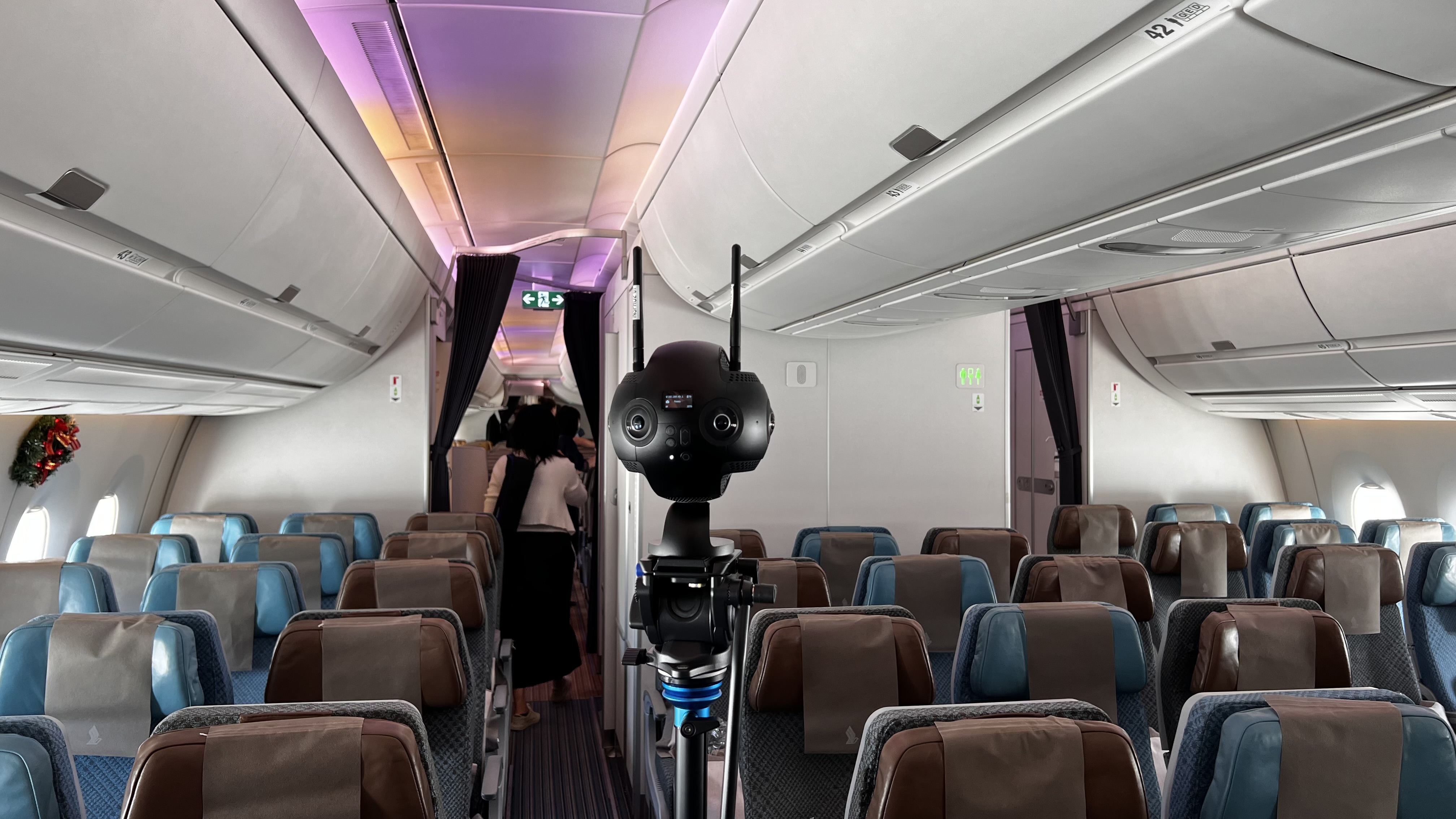
One of the core design decisions was how to structure navigation for users who were encountering immersive media for the first time. I designed a layered approach: a simple, flat entry point that surfaced the five destinations clearly, with deeper content available for users who wanted to explore. This meant the experience worked for both a quick 60-second demo at an expo booth and a longer self-guided exploration. I worked in close feedback loops with both the client and JIX's development team throughout, providing detailed interaction specifications and annotated prototypes at each stage to keep design intent clear across the handoff.
The product launched on schedule at TRENZ 2023 and received strong positive feedback from both Singapore Airlines stakeholders and event attendees, with specific recognition for the usability and authenticity of the experience. This project demonstrated for me what it looks like to own a product under real commercial pressure — where design decisions have direct and visible business consequences, and where speed and quality both matter.